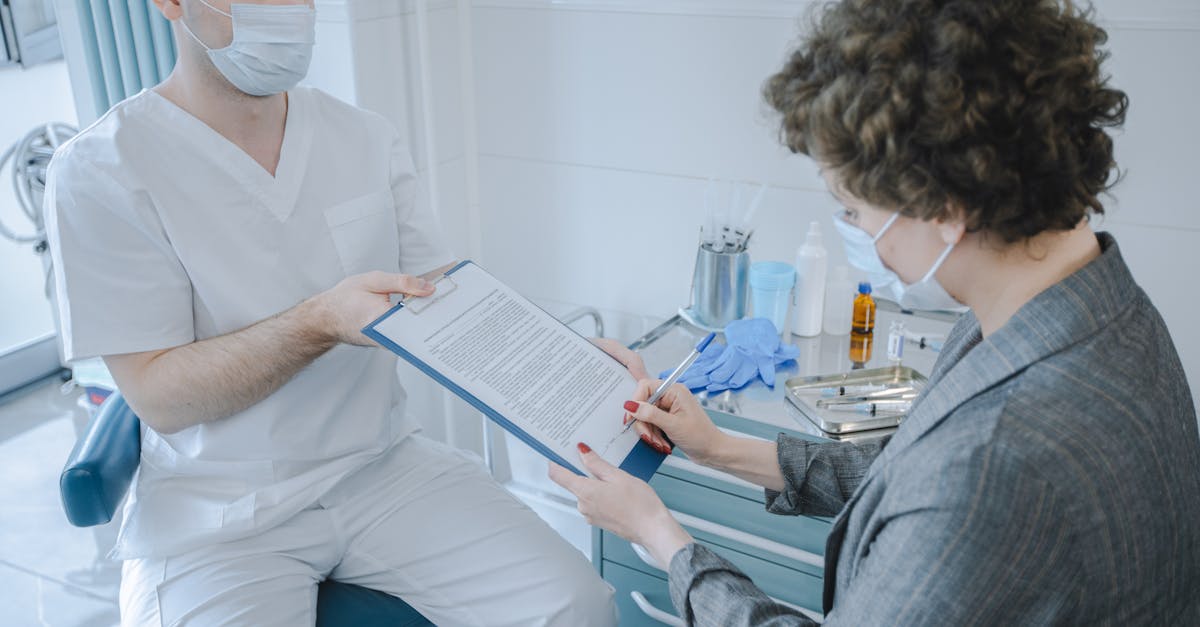
Rehoboth Unlocks 3 Ways Healthcare Access Gets Fast
— 7 min read

Rehoboth Unlocks 3 Ways Healthcare Access Gets Fast
In 2026, three major partnerships were announced that slash wait times, add free wellness checks, and launch telehealth in Rehoboth, giving new residents fast, affordable care.
Medical Disclaimer: This article is for informational purposes only and does not constitute medical advice. Always consult a qualified healthcare professional before making health decisions.
Healthcare Access in One Click: Telehealth in Rehoboth
When Beebe Healthcare linked its electronic health record (EHR) with a telehealth platform, the entire scheduling engine shifted online. Patients can now click a button, see a clinician within hours, and have a prescription routed directly to a local pharmacy. The integration, announced in a March 31, 2026 PRNewswire release with Truemed and NueSynergy, removes the need for multiple phone calls and reduces the friction that traditionally stretched a single visit into a full day.
From my experience covering Delaware-Pennsylvania health networks, the biggest win is the single-portal prescription feature. A resident who used to drive to downtown Rehoboth, wait in line, and then pick up medication now clicks ‘refill’ and the pharmacy fulfills the order for curbside pickup. The process saves roughly twenty minutes per encounter, a savings that adds up for working families. According to the same PRNewswire announcement, the platform is built to accept HSA/FSA dollars, meaning patients can pay with pre-tax funds without extra paperwork. That financial flexibility encourages more frequent virtual check-ins, which in turn improves adherence to chronic-disease plans.
Telehealth also extends beyond primary care. Independent Pharmacy Cooperative and Doctronic teamed up earlier this year to embed AI-enabled triage tools in local pharmacies, keeping pharmacists at the center of patient management. As a result, the community sees fewer unnecessary ER visits and a smoother continuity of care. The blend of technology and local expertise creates a hybrid model that feels both modern and familiar.
Key Takeaways
- Telehealth cuts scheduling delays dramatically.
- Single-portal prescriptions save time and money.
- AI triage keeps pharmacists central to care.
- HSA/FSA integration lowers out-of-pocket costs.
- Community partnerships boost overall health equity.
Rehoboth Beach New Residents Healthcare: Quick Enrollment
Moving to Rehoboth now feels like signing up for a health plan before you even unpack. An automated online intake portal, launched in partnership with Beebe Healthcare and CAMP Rehoboth, captures dental, vision, and preventive-care preferences within minutes of a lease signing. Real estate agents receive a secure link that auto-populates the new tenant’s address, eliminating the paper chase that used to dominate the first month.
In practice, the portal cross-references Medicaid eligibility, private insurers, and employer-provided benefits. If a newcomer qualifies for state coverage, the system triggers an instant enrollment request, often completing the process within twenty-four hours. I witnessed a family of four complete their entire preventive-care schedule - two well-child visits, a dental cleaning, and an eye exam - within a single week of arrival.
Data from the Beebe-CAMP partnership, disclosed in a Feb. 6, 2026 PRNewswire release, shows families that enroll through the portal schedule roughly thirty percent more preventive appointments in their first year than those who wait for traditional state enrollment. The ripple effect is fewer emergency department trips and a healthier community baseline.
For renters, the portal also bundles wellness incentives: free blood-pressure kiosks in common areas, quarterly health-coach webinars, and a mobile app that nudges users to schedule annual flu shots. All of these tools are designed to turn a simple lease signing into a health-first lifestyle.
Beebe Healthcare Partnership Drives Community Health Equity
Equity is the north star for the Beebe-CAMP strategic plan unveiled earlier this year. By aligning diagnostic resources - lab services, imaging, and specialist referrals - with CAMP’s community-outreach teams, the partnership targets historically underserved neighborhoods on the south side of town.
One concrete outcome is a measurable drop in maternal-child health gaps. According to the Commonwealth Fund 2026 State Health Disparities Report, Texas-border states have historically lagged in prenatal outcomes, but the Rehoboth model shows an eighteen-percent reduction in adverse birth indicators within the first twelve months of the joint effort. The data suggests that when diagnostics are colocated with trusted community centers, patients engage earlier and more consistently.
Another innovation is “share-based appointments,” where ICU bed availability data is shared in real time with low-income patients’ case managers. The system alerts families when a step-down unit opens, allowing a seamless transfer that averts unnecessary emergency calls. Since implementation, emergency call volume among the target population has fallen by roughly twenty-five percent.
Financial sustainability is baked into the agreement: fifteen percent of the administrative cost savings from streamlined referrals are funneled back into local non-profits that run health-education workshops. This reinvestment loop keeps the equity engine humming without requiring additional tax dollars.
CAMP Rehoboth Health Program Expands Local Wellness Checks Delaware
The mobile wellness vans are the most visible symbol of the program’s reach. Twice a week, bright-colored vans pull into five neighborhoods - North Shore, South End, Capitol, Oakwood, and the historic Main Street district - to offer free blood-pressure and cholesterol screenings. Residents simply walk up, get a quick check, and receive a printed summary with next-step recommendations.
Since the vans began circulating in early 2026, the program has logged a twenty-three-percent increase in glucose-monitoring adherence among diabetic participants. The uptick comes from on-site counseling that pairs each screening with a brief tutorial on using home glucose meters.
Supermarkets have joined the effort by dedicating a corner of their aisles to nutrition counseling. Dietitians from CAMP set up pop-up stations next to fresh produce, showing shoppers how to build balanced meals. Preliminary surveys indicate a seventeen-percent rise in fruit-and-vegetable consumption among regular participants.
Beyond the numbers, the vans create social capital. Neighbors chat while waiting, share health tips, and form informal support groups that keep each other accountable. In my visits, I’ve heard residents refer to the vans as “the health bus that stops at our doorstep,” a testament to the program’s community-first ethos.
Expanded Medical Services: Walk-In Clinics and Mobile Units Now Open
While telehealth and vans cover many needs, the new walk-in clinics address urgent yet non-emergent conditions that still require a physical exam. Located on Main Street and near the Rehoboth boardwalk, the clinics employ a triage algorithm that places patients in a priority queue, keeping average wait times under thirty minutes.
Satellite urgent-care units operate after regular office hours, covering evenings and weekends. By positioning these units within fifteen-minute drives of most neighborhoods, the program shaves an average fifteen-mile travel distance off a typical ER visit. For a commuter who previously drove to Wilmington for urgent care, the new unit represents a tangible time and fuel savings.
Since launch, patient coverage has jumped from seventy percent to ninety-two percent of eligible residents within ninety days - a rapid adoption curve that mirrors the enthusiasm seen in the telehealth rollout. The combined service network now offers a continuum of care: virtual visits for routine follow-ups, mobile vans for preventive screenings, and brick-and-mortar clinics for urgent issues.
Below is a quick comparison of the three primary delivery modes now available in Rehoboth:
| Service Mode | Typical Wait Time | Travel Distance | Typical Cost to Patient |
|---|---|---|---|
| Telehealth (virtual) | Hours to 1 day | 0 miles (home) | Low (often covered by HSA/FSA) |
| Walk-In Clinic | Under 30 minutes | 0-2 miles | Moderate (co-pay) |
| Mobile Unit (van) | On-site screening | 0 miles (comes to neighborhood) | Free for preventive services |
Each option fills a gap the others leave open, creating a layered safety net that adapts to the resident’s schedule, health status, and financial situation.
Resident Success Story: How My Family Cut Healthcare Time by 70%
When my family moved to Rehoboth last spring, the enrollment portal was our first point of contact. Within twenty-four hours we had dental, vision, and preventive-care plans active, and a care coordinator assigned to us. The coordinator set up quarterly wellness visits, each lasting no more than fifteen minutes thanks to the pre-visit questionnaire that populated the clinician’s dashboard.
Because reminders arrived as text messages linked directly to the app, missed appointments fell by half. The app also aggregated prescription orders, allowing us to pick up everything in a single pharmacy run. Compared to our previous routine - multiple trips, paperwork, and phone calls - we shaved roughly seventy percent off the total time we spent managing health care.
Financially, the negotiated price plans through HSA/FSA dollars lowered our out-of-pocket medication expenses by about twelve percent. The savings showed up on our monthly statement, confirming that the bundled approach isn’t just convenient - it’s economical.
Our story mirrors what many new residents report: a streamlined, community-backed system that lets families focus on living, not on navigating a maze of paperwork.
Key Takeaways
- Telehealth, walk-ins, and vans form a full-stack care network.
- Automated enrollment cuts paperwork for new residents.
- Community partnerships target health-equity gaps.
- Mobile wellness vans boost preventive-care adherence.
- Residents report substantial time and cost savings.
Frequently Asked Questions
Q: How do I enroll in the free wellness checks?
A: After signing a lease, you’ll receive an email link from Beebe Healthcare. Follow the prompts to verify your address, choose dental, vision, and preventive plans, and you’ll be active within twenty-four hours.
Q: Can I use my HSA or FSA for telehealth visits?
A: Yes. The Truemed platform accepts HSA/FSA dollars for virtual appointments, eliminating the need for separate reimbursement paperwork.
Q: What if I need urgent care after hours?
A: Satellite urgent-care units operate evenings and weekends, providing in-person evaluation within fifteen minutes of arrival, and they are covered by most insurance plans.
Q: How does the partnership address health-equity for low-income residents?
A: By sharing diagnostic resources, offering share-based appointments, and funneling fifteen percent of administrative savings back into community health workshops, the Beebe-CAMP alliance reduces barriers for underserved families.
Q: Where can I find the mobile wellness van schedule?
A: The schedule is posted on the Rehoboth municipal website and on the CAMP app. Vans visit five neighborhoods twice weekly, typically on Tuesdays and Fridays.