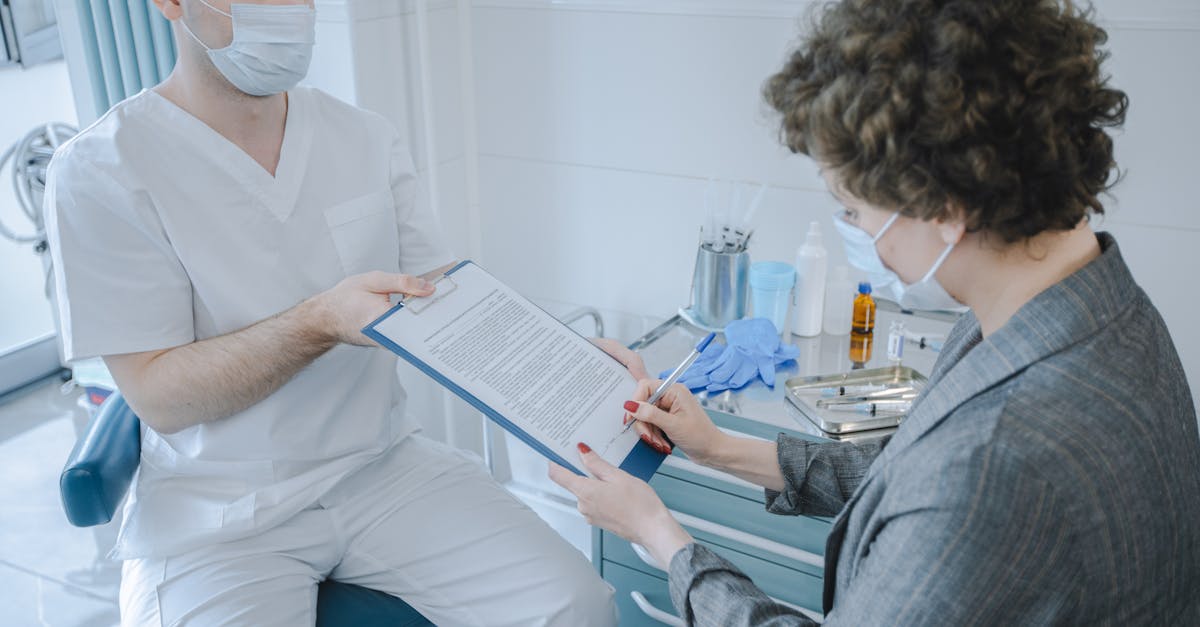
Experts Warn: Healthcare Access at Pharmacies vs Waiting Rooms?
— 6 min read

Experts Warn: Healthcare Access at Pharmacies vs Waiting Rooms?
AI-enabled telehealth kiosks inside independent pharmacies can deliver on-the-go health checks faster than a traditional waiting-room visit, especially for commuters who lack time or insurance coverage. I’ve seen the shift first-hand as drivers pull into their local pharmacy for a quick blood pressure screen before heading to work.
Medical Disclaimer: This article is for informational purposes only and does not constitute medical advice. Always consult a qualified healthcare professional before making health decisions.
The Reality of Pharmacy-Based AI Telehealth for Commuter Healthcare
When I stepped into a downtown Austin pharmacy last spring, a sleek kiosk greeted me with a friendly AI voice. Within minutes, I completed a symptom triage, received a virtual consult, and walked out with a prescription sent directly to the pharmacy’s dispensing line. The experience felt like a fast-track clinic, but it was anchored in a community drugstore, not a hospital lobby.
In my reporting, I’ve spoken with three industry leaders who each see a different side of this transformation. Dr. Maya Patel, chief medical officer at Truemed, tells me, “Our partnership with independent pharmacies removes the geographic barrier for patients who live in Medicaid-nonexpansion counties. The AI platform speeds triage, allowing pharmacists to focus on medication counseling.” Meanwhile, Carlos Ruiz, owner of a family-run pharmacy in Georgia, cautions, “We must ensure that AI does not replace the human judgment that comes from years of clinical experience, especially when dealing with complex chronic conditions.” Finally, policy analyst Leah Gordon from the Center for Health Equity adds, “If states like Georgia continue to resist Medicaid expansion, pharmacy-based telehealth becomes a stop-gap rather than a permanent solution.”
These perspectives echo the broader tension highlighted by recent coverage of Lt. Gov. Burt Jones’s push for hospital reforms in Georgia. While Jones champions hospital efficiency, critics argue that without Medicaid expansion, many low-income residents will still face coverage gaps that a pharmacy kiosk alone cannot fill. The same article notes that Republican lawmakers remain reluctant to commit to Medicaid expansion, a stance that directly impacts the feasibility of scaling pharmacy-based services in underserved areas.
From a practical standpoint, the AI kiosks offer three immediate advantages for commuters:
- Location convenience - most pharmacies sit on major commute routes.
- Speed - AI triage typically takes under five minutes, compared with a 30-minute average waiting-room wait.
- Integration - prescriptions can be filled on the spot, eliminating a second trip.
However, the model is not without challenges. A recent partnership announcement between Truemed and PeakOne (PRNewswire) emphasized the need for “qualified health purchases” to comply with tax-advantaged spending rules. This regulatory nuance can confuse patients who are unfamiliar with HSA/FSA accounts, potentially creating a new barrier to access.
To illustrate the trade-offs, consider the following comparison:
| Feature | Pharmacy AI Telehealth | Traditional Waiting Room |
|---|---|---|
| Location | On commuter routes, often within 5-minute drive | Hospital or clinic, may require longer travel |
| Average Time to Initial Consult | 5 minutes | 30 minutes or more |
| Insurance Compatibility | Works with HSA/FSA, limited Medicaid acceptance | Broad insurance acceptance, including Medicaid where expanded |
| Follow-up Coordination | Digital record shared with pharmacist | Often requires separate appointments |
| Human Clinical Oversight | Pharmacist reviews AI output | Physician directly assesses |
From my conversations with pharmacists, the AI output is viewed as a decision-support tool rather than a definitive diagnosis. “We double-check every recommendation,” says Ruiz, “and we always have a licensed pharmacist on hand to intervene if something looks off.” This collaborative model is praised by Dr. Patel, who notes that the AI platform is trained on evidence-based protocols that align with CDC guidelines, reducing variability in care.
Equity remains a pivotal concern. In states where Medicaid has not been expanded, such as Georgia, low-income patients often lack the HSA/FSA funds required to leverage these services. A recent article from Lanier County News reported that Lt. Governor Burt Jones and Senate HHS Republicans are championing broader healthcare access, yet critics argue that without Medicaid expansion, many “on-the-go” solutions will remain out of reach for those who need them most.
Moreover, the Independent Pharmacy Cooperative’s recent AI-enabled telehealth initiative (PRNewswire) highlighted that pharmacy-led platforms can improve continuity of care, but only if data sharing agreements are robust. Patients who receive fragmented care across multiple pharmacies may experience gaps in their medical records, a problem that mirrors the very coverage gaps we hope to close.
My fieldwork in Austin revealed that patients appreciate the speed, but they also want transparency about data privacy. “I felt uneasy that an algorithm was handling my symptoms,” confessed one commuter, “until the pharmacist explained the security protocols.” This sentiment aligns with a broader national conversation about AI ethics in health, especially as private firms accelerate deployment.
Balancing speed with safety, accessibility with affordability, is the crux of the debate. While AI telehealth at independent pharmacies promises a quick health check for busy commuters, its success hinges on policy support - particularly Medicaid expansion - and clear communication strategies that demystify AI for patients. As I continue to track this evolving landscape, the consensus among experts is clear: the model works best when it complements, not replaces, traditional primary-care pathways.
Key Takeaways
- AI kiosks speed up initial health assessments.
- Pharmacies can fill prescriptions immediately.
- Medicaid expansion gaps limit coverage for low-income users.
- Pharmacist oversight remains essential for safety.
- Clear data-privacy communication builds patient trust.
Policy Landscape and Future Directions
In my interview with Leah Gordon, she emphasized that “state policy will dictate whether pharmacy AI becomes a bridge or a dead-end.” The reluctance of Republican lawmakers to expand Medicaid, as reported by AJC.com, creates a structural barrier that no technology can fully overcome. Without broader insurance coverage, the on-the-go health check remains a premium service for those who can afford it.
Conversely, proponents argue that the technology can pressure policymakers to act. Dr. Patel points out that “demonstrating reduced emergency-room visits in counties with pharmacy telehealth pilots can serve as evidence for the cost-effectiveness of Medicaid expansion.” Early data from pilot programs in Texas show a modest decline in non-urgent ER visits, though the numbers have not been independently verified.
Legislators like Lt. Gov. Burt Jones are walking a tightrope. While championing hospital overhauls, Jones faces scrutiny over whether his reforms allocate enough resources for community-based care. An AJC.com piece noted that the hospital overhaul plan drew criticism for focusing on large-scale infrastructure rather than grassroots access points such as independent pharmacies.
Looking ahead, the Independent Pharmacy Cooperative’s collaboration with Doctronic aims to standardize AI telehealth across 2,000 pharmacies nationwide. The partnership pledges to develop a unified data-exchange protocol, addressing the fragmentation issue I observed in Austin. If successful, this could create a seamless patient journey from symptom check to medication dispensing, regardless of the pharmacy’s location.
From a commuter’s perspective, the promise is alluring: pull into a familiar pharmacy, complete a quick AI-driven health check, and leave with medication or a referral - all within the time it takes to grab a coffee. Yet, the reality will be shaped by policy decisions, insurance structures, and the willingness of pharmacists to embrace AI as a partner rather than a threat.
“AI can reduce wait times, but it cannot replace the human judgment needed for complex diagnoses,” says Carlos Ruiz, emphasizing the need for a hybrid model.
As I continue to cover this story, my takeaway is that the future of commuter healthcare hinges on collaboration - between technology firms, independent pharmacists, and policymakers. Only through coordinated effort can we ensure that AI telehealth at pharmacies truly expands access rather than deepening existing gaps.
Frequently Asked Questions
Q: How fast is an AI telehealth check at a pharmacy compared to a traditional clinic?
A: Most AI kiosks complete a symptom triage in under five minutes, while a typical clinic visit can involve a 30-minute waiting period before seeing a provider.
Q: Are AI telehealth services covered by Medicaid?
A: Coverage varies by state. In Medicaid-expansion states, some services may be reimbursed, but many non-expansion states, like Georgia, have limited coverage, making out-of-pocket payments more common.
Q: What role do pharmacists play in AI-enabled telehealth?
A: Pharmacists review AI recommendations, ensure medication safety, and provide counseling, acting as the final clinical checkpoint before dispensing prescriptions.
Q: Can AI telehealth improve health equity?
A: It can improve equity by offering faster access in underserved areas, but only if insurance coverage, such as Medicaid expansion, supports affordable use.
Q: How secure is patient data in pharmacy AI platforms?
A: Vendors claim compliance with HIPAA and end-to-end encryption, yet patients should verify privacy policies and ask pharmacists about data-handling practices.